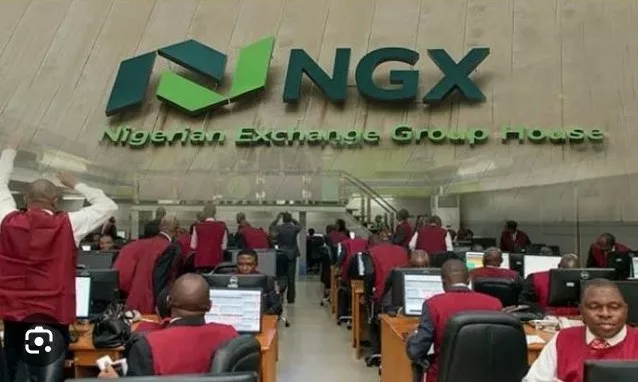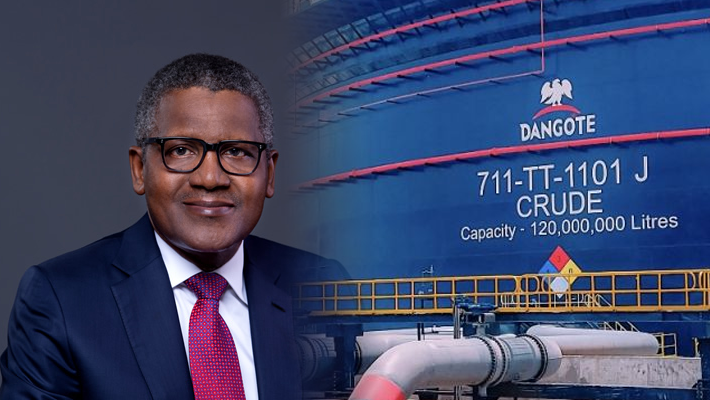
The Dangote Refinery is set to offer Nigerians an opportunity to directly own shares in what is expected to be one of the largest companies on the Nigerian Exchange (NGX).
The refinery is preparing for an Initial Public Offering (IPO), with the offer expected to open on September 14 and close on October 13, 2026.
Under the offer, Dangote Refinery plans to issue 4.1 billion new ordinary shares at ₦525 per share. If fully subscribed, the offer could raise about ₦2.15 trillion.
The shares are expected to be listed on the NGX Main Board after completion of the offer process.
For Nigerians who have never invested in shares, however, the key question is what the IPO actually means for an ordinary investor.
How much do you need to invest? The minimum subscription is 10 shares.
At ₦525 per share, an investor can therefore participate with a minimum of ₦5,250, excluding applicable transaction charges. Applications can be made in multiples of 10 shares.
An investor buying 100 shares would pay ₦52,500, while 1,000 shares would cost ₦525,000, excluding fees.
The relatively low minimum subscription makes the offer accessible to many retail investors.
However, the minimum subscription should not be confused with the level of risk involved. ₦5,250 is simply the minimum amount required to participate; investors who purchase more shares would have more capital exposed to market movements.
Can ordinary Nigerians buy the shares?
Yes. The offer is expected to be available to both retail and institutional investors.
Investors will have to apply through approved receiving agents, brokers, banks or authorised digital platforms. The application process is expected to require details including Bank Verification Number (BVN), National Identification Number (NIN), bank information and Central Securities Clearing System (CSCS) details.
Investors will complete the application, indicate the number of shares they want, make the required payment and retain evidence of the transaction.
After the offer closes, they can check the number of shares eventually allotted to them.
Investors should also be cautious about fraud.
Not every website, investment app or individual advertising access to the Dangote IPO is authorised to process applications. Investors should use channels identified by Dangote Refinery, the Securities and Exchange Commission (SEC), the NGX or approved receiving agents.
Money should not be transferred to an individual’s personal bank account simply because the person claims to be facilitating access to the offer.
What exactly are investors buying?
Investors are not buying a physical portion of the refinery.
The shares represent an ownership interest in the company operating the business. If the company performs well, shareholders may benefit through dividends or an increase in the value of their shares.
Neither benefit is guaranteed.
The ₦525 price applies to the IPO. Once the shares begin trading on the NGX, their market value will be determined by buying and selling activity. The price could rise above ₦525 or fall below it.
That distinction is important for investors attracted primarily by the Dangote brand.
Where will the money come from?
Dangote Refinery’s core business is to purchase crude oil, refine it and sell petroleum products.
Its products include petrol, diesel, aviation fuel, kerosene, naphtha and other petroleum and petrochemical products.
However, profitability in the refining business depends on several factors, including crude oil costs, refined-product prices, refining margins, production volumes, operating and financing costs, foreign exchange movements and other expenses.
The company’s recent financial performance is therefore significant.
Dangote Refinery reportedly recorded $13.91 billion in revenue and $2.60 billion in EBITDA in the first half of 2026. It also reported approximately $1.82 billion in profit after tax during the period.
That represents a significant improvement from reported losses of about $1.51 billion in 2024 and $475.8 million in 2025.
While the turnaround may encourage investors, one profitable half-year does not by itself establish a long-term earnings trend.
Why does the IPO matter?
The scale of the refinery is a major part of the story.
At the ₦525 offer price, the refinery’s indicative market capitalisation is about ₦65.22 trillion, potentially placing it among the largest companies on the Nigerian Exchange.
The company also has expansion plans reportedly requiring about $14.3 billion in investment.
If the expansion succeeds, increased production could translate into higher revenue and potentially stronger profits. Increased domestic sales and exports could also support growth.
However, expansion also carries risks.
Large projects require substantial capital, and delays, cost overruns, weaker-than-expected demand or expensive financing could reduce returns to shareholders.
For investors, the key question therefore goes beyond the size of the refinery: can its future earnings justify the valuation attached to the company?
Will shareholders receive dividends?
They could, but dividends are not guaranteed.
A profitable company does not have to distribute all of its earnings to shareholders. Dangote Refinery may choose to retain part or all of its profits for expansion, debt repayment, maintenance, working capital or other business needs.
Consistent profits, strong cash flow and manageable expansion costs would generally provide a stronger basis for dividend payments.
Investors should therefore not approach the IPO expecting immediate dividends simply because the company has reported a profit.
What could go wrong?
Several factors could affect the investment.
The refinery requires reliable access to crude oil. Difficulties in securing sufficient feedstock or rising crude costs could put pressure on margins.
Refining margins are also important. A rise in crude prices does not necessarily translate into higher profits if production costs increase faster than the prices of refined products.
Government policies could also affect the business. Changes involving fuel pricing, crude supply, imports, taxation, foreign exchange or petroleum regulation could have significant implications.
The refinery will also operate in a market that includes other Nigerian refineries, modular plants and imported petroleum products.
Moreover, even if the company remains profitable, its share price can still decline.
A weaker earnings report, changing investor sentiment, high interest rates, naira volatility or a broader downturn in the NGX could push the share price below the ₦525 IPO price.
What should investors consider?
The Dangote name alone should not be the basis for an investment decision.
Prospective investors should examine the company’s financial statements, cash flow, debt position, crude-supply arrangements, production levels, expansion plans, dividend policy and, importantly, the valuation attached to the IPO.
The central question is whether the company’s expected future earnings are strong enough to justify the price investors are being asked to pay today.
For first-time investors, that may be the most important lesson from the Dangote Refinery IPO.
The opportunity is significant, but so is the risk.
The ₦5,250 minimum subscription means many Nigerians can participate, but it does not make the shares a guaranteed investment. Once listed, the price will rise or fall depending on the company’s performance, broader market conditions and investors’ assessment of what the business is worth.
Ultimately, the question is not simply whether Nigerians can afford to buy Dangote Refinery shares.
It is whether they understand what they are buying.