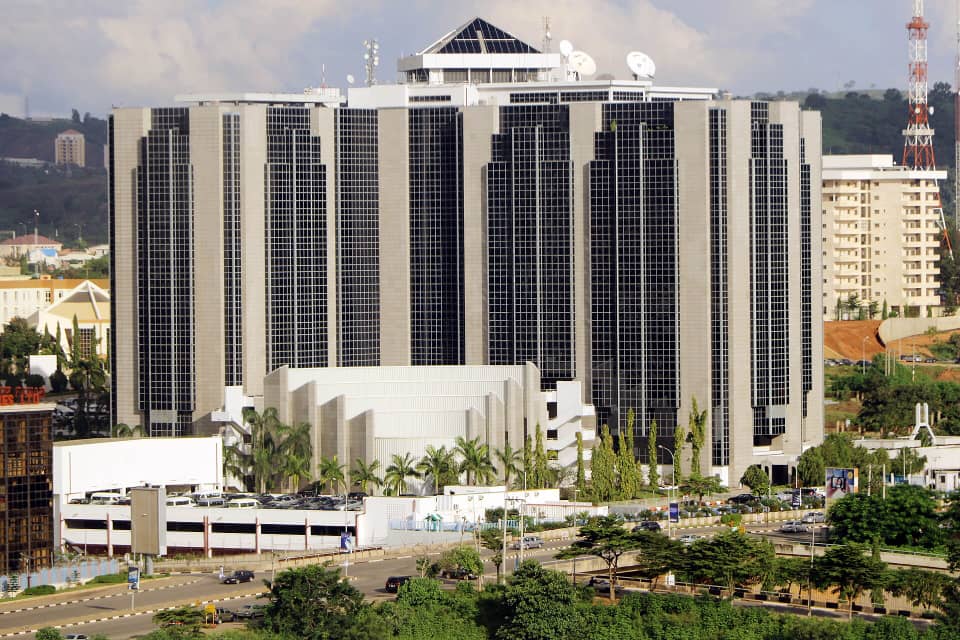
The Central Bank of Nigeria (CBN) is set to withdraw about ₦4.69tn from the banking system as its latest Open Market Operation (OMO) transaction moves towards settlement, following a sharp rise in banking liquidity to ₦8.84tn.
The latest liquidity figure, reported by AIICO Capital Limited, represents a 37.01 per cent increase from ₦6.45tn and comes as the apex bank moves to mop up some of the excess cash in the financial system.
The expected withdrawal follows the CBN’s OMO auction held on September 29, where the bank sold about ₦4.686tn worth of securities, well above the ₦2.5tn initially offered.
The auction attracted strong demand from investors, who submitted bids worth about ₦6.399tn across three instruments.
The securities included ₦500bn worth of 147-day bills, ₦1tn of 182-day bills and another ₦1tn of 266-day bills.
The longest-dated bills attracted the highest demand, with investors submitting bids of about ₦4.543tn. The CBN eventually allotted approximately ₦2.996tn.
For the 182-day bills, investors submitted ₦1.337tn in bids, with about ₦1.225tn allotted. The 147-day bills attracted ₦519.4bn in bids, while approximately ₦464.4bn was allotted.
The size of the auction is significant because about ₦2.433tn in OMO bills matured on September 29.
This means the CBN issued substantially more new OMO securities than the value of the instruments that matured, allowing it to pull additional funds out of the banking system.
The move comes against a backdrop of high liquidity in the financial system. Banks had about ₦6.28tn placed with the CBN’s Standing Deposit Facility as of September 29, according to market data.
Short-term borrowing costs have also started to reflect movements in liquidity.
The overnight lending rate rose by 28 basis points to 20.86 per cent, while the Nigerian Overnight Financing Rate remained at 20 per cent. The average Treasury bill rate was unchanged at 17.84 per cent.
The immediate focus in the market is now on the effect of the OMO settlement on the amount of cash available to banks.
A significant reduction in excess liquidity could put further pressure on short-term money-market rates, although the extent of the impact will depend on how banks manage their cash positions after settlement.
The latest transaction also takes the CBN’s OMO sales for September to about ₦17.5tn, highlighting the scale at which the apex bank has been using the instrument to manage liquidity in the financial system.
The CBN’s continued use of OMO securities is part of its broader effort to regulate money supply and keep liquidity conditions consistent with its monetary-policy objectives.