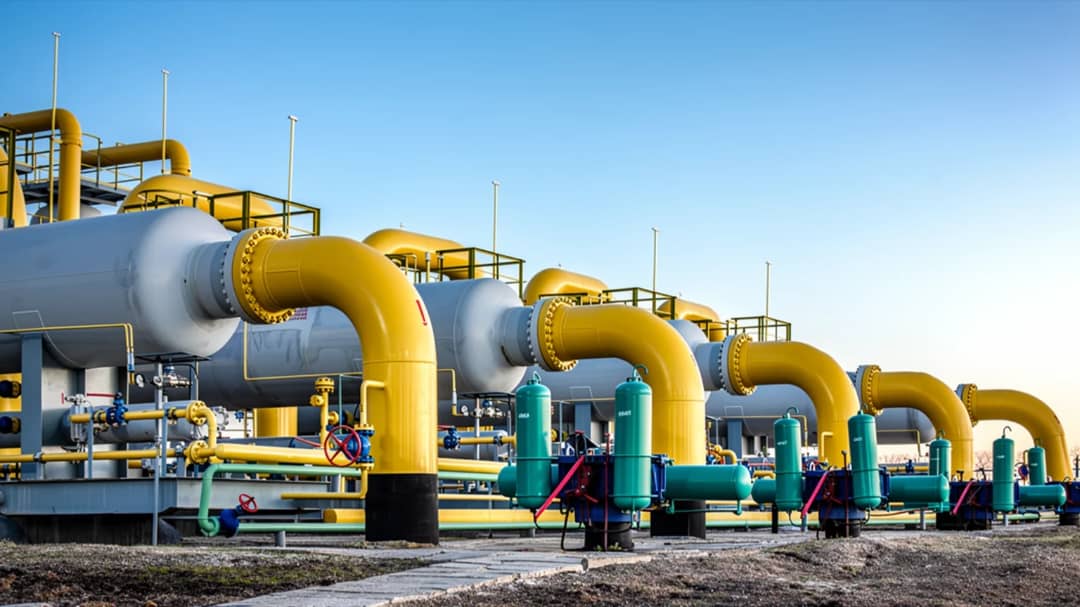
The Federal Government is expected to take delivery of 500 new Compressed Natural Gas (CNG) refuelling stations by the end of October as part of efforts to expand access to CNG across the country.
Executive Chairman of the Presidential CNG Initiative (PCNGI), Ismael Ahmed, disclosed this in an interview with Sunday PUNCH, stating that the first batch of 500 stations had already been ordered.
Ahmed explained that delivery of the stations would not immediately translate into 500 operational facilities, as the equipment would still have to be transported, installed and connected before becoming operational.
According to him, the government plans to procure another 500 stations after the first batch, bringing the total number of new stations to 1,000.
The expansion follows President Bola Tinubu’s directive for an additional 500 CNG stations nationwide. Another 500 stations had previously been ordered through the Midstream and Downstream Gas Infrastructure Fund.
Ahmed said the government was assessing locations for the new stations based on factors including vehicle numbers, traffic levels and projected demand for CNG.
He added that economic considerations would guide the selection, with areas expected to have higher demand receiving priority.
The planned expansion is part of the Federal Government’s efforts to promote CNG as a cheaper alternative to petrol, particularly for public transport and commercial vehicles.
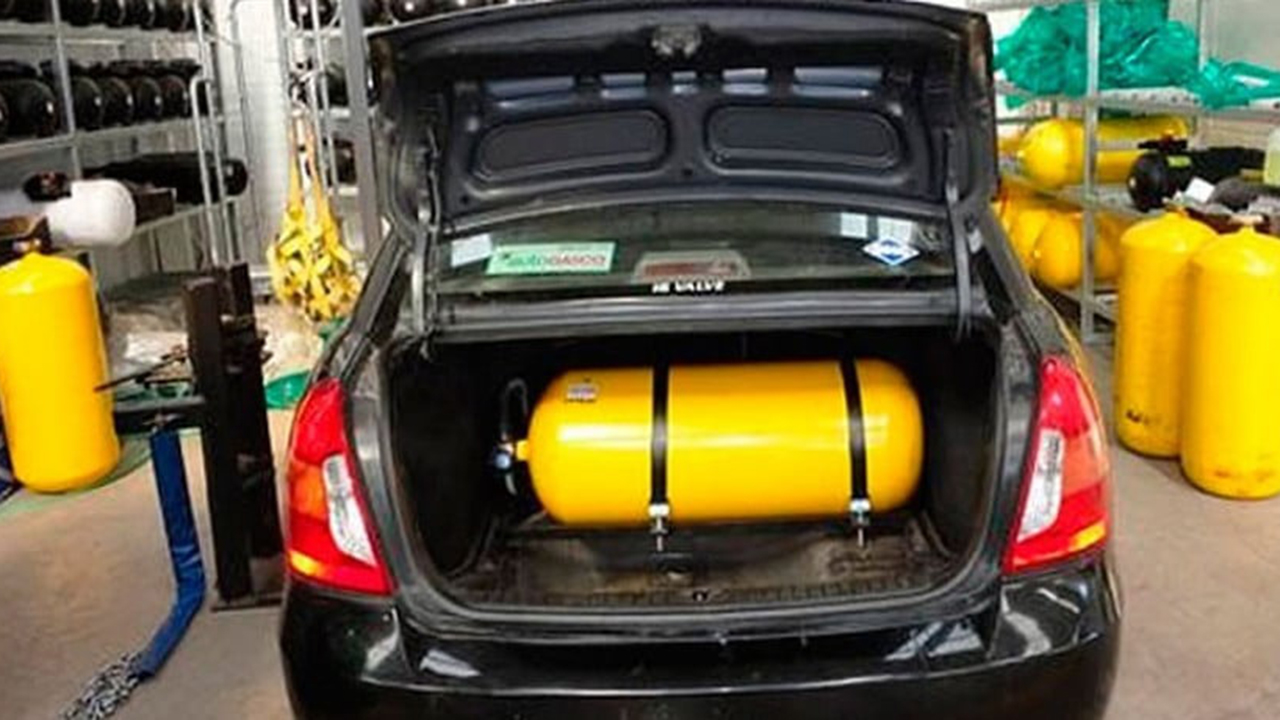
In an update on Saturday, President Tinubu said more than 120,000 vehicles had been converted to CNG, while the country now had more than 400 certified conversion centres and over 90 CNG refuelling stations.
The President also said the Federal Government and state governments were working towards reducing transportation costs from October 1 through the National Affordable CNG Transit Programme.
CNG-powered transport programmes have already been introduced in states including Borno, Kaduna, Oyo, Adamawa, Enugu, Plateau and Niger, as well as the Federal Capital Territory.
The government says expanding the refuelling network is necessary to support the growing number of CNG-powered vehicles and improve access to the fuel.
The delivery of the first 500 stations by October is expected to advance the government’s efforts to expand CNG infrastructure and encourage wider adoption of the fuel in Nigeria.