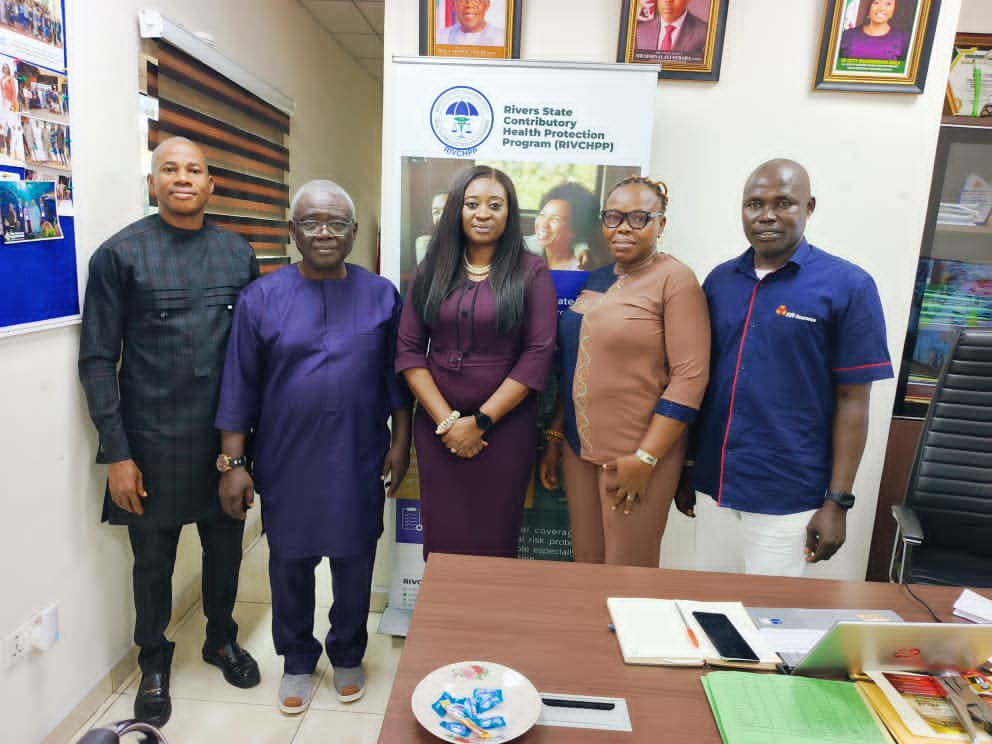
The Mother of Good Counsel Initiative (MOGCI) has called for stronger collaboration among stakeholders to address sexual and reproductive health challenges affecting adolescent children and young people, including sexual abuse, teenage pregnancy, child marriage and gender-based violence.
The call was made during a pre-summit dialogue between MOGCI and the African Women Lawyers Association (AWLA), Rivers State, as part of activities marking MOGCI’s 15th anniversary celebration and Sexual and Reproductive Health Summit.
The dialogue focused on identifying practical solutions to challenges affecting children and young people, particularly practices that violate their rights, dignity and wellbeing.
In her opening address, the Executive Secretary of the Rivers State Contributory Health Protection Programme (RIVCHPP) and Face of the 15th Anniversary, Dr Vetty Agala, described the engagement as an opportunity to bring together people with diverse experiences and expertise to assess interventions implemented over the years and identify areas requiring fresh approaches.
Agala said MOGCI had, over the years, worked on issues including teenage pregnancy, rape, trafficking in persons, child prostitution and sexual and gender-based violence.
She stressed that the complexity of the challenges made collaboration essential, noting that no single organisation could address them alone.
She welcomed the participation of AWLA members, saying the engagement would enable both organisations to share knowledge, review existing interventions and identify additional measures as MOGCI marks its 15th anniversary.
The Executive Director and Founder of MOGCI, Lady Doris Onyeneke, PhD, identified cultural practices, poverty and inadequate parental supervision as some of the factors contributing to challenges confronting girls and young women in some communities.
Onyeneke said some parents were unable to provide adequate training, supervision and support for their children, leaving young girls vulnerable to negative influences and circumstances that could jeopardise their future.
According to her, poverty had pushed some young girls into early sexual relationships, while parental negligence, inadequate upbringing and peer-group influence could further worsen their vulnerability.
She noted that the challenges extended beyond sexual and reproductive health, as vulnerable young people could also be exposed to cultism, kidnapping, theft and violent conflicts when deprived of adequate parental care, education and positive opportunities.
Onyeneke called for stronger community-based interventions and partnerships among organisations working to protect women and children.
She also advocated collaboration with the Nigeria Union of Journalists (NUJ) to strengthen advocacy and public enlightenment on sexual and reproductive health rights, gender-based violence and other issues affecting vulnerable children and young people.
The MOGCI founder further stressed the importance of responsible parenthood, urging families to consider the number of children they could adequately cater for, train and provide with the necessities of life.
She said proper upbringing must begin at home, urging parents to deliberately monitor their children, understand their challenges and provide the emotional and moral support needed as they grow.
Onyeneke also advocated sustained engagement with young people, noting that effective communication between parents and children could reduce their vulnerability to negative peer influence.
The Chairperson of AWLA, Rivers State, Komolafe Omowumi, stressed the importance of teaching abstinence and responsible behaviour, alongside providing young people with practical, age-appropriate information on their bodies, relationships, personal safety and the consequences of their choices.
Omowumi highlighted the role of lawyers in protecting children’s rights, providing legal support to survivors, promoting access to justice and strengthening advocacy and accountability mechanisms.
She assured MOGCI of AWLA’s collaboration in sensitisation and advocacy on sexual and reproductive health among teenagers.
The meeting ended with a shared commitment to sustained advocacy, public awareness and strategic partnerships aimed at reducing sexual and reproductive health risks and protecting the rights and dignity of the girl child.