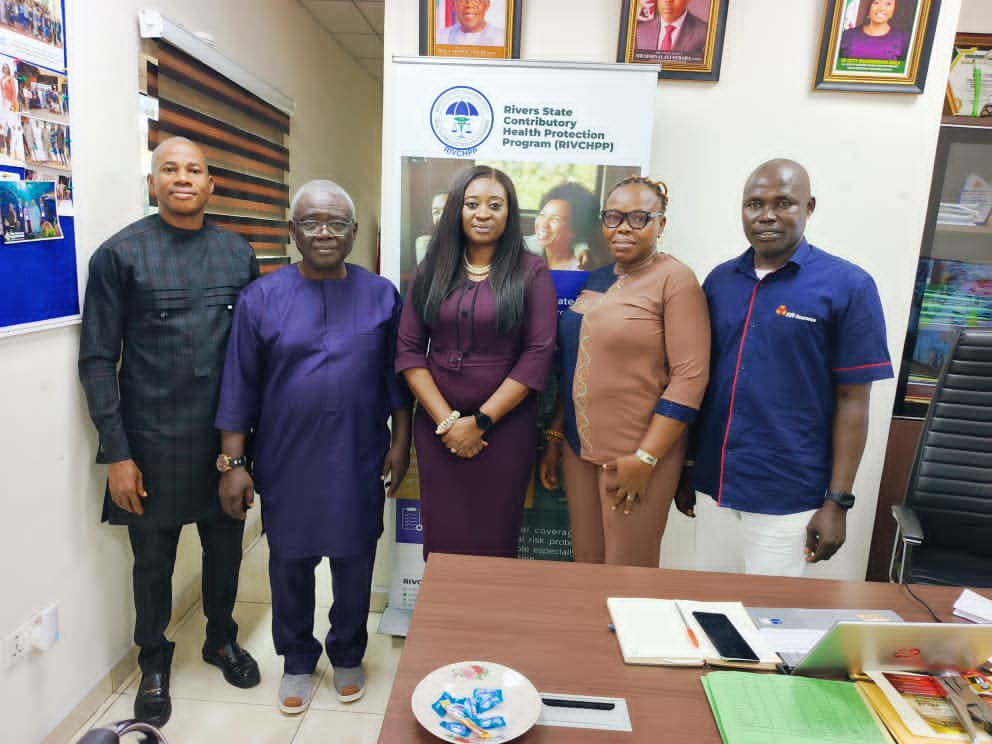
The Rivers State Emergency Medical Services and Ambulance Systems (REMSAS) and the Rivers State Contributory Health Protection Programme (RIVCHPP) have intensified collaboration to improve access to healthcare services and advance Universal Health Coverage (UHC) in the state.
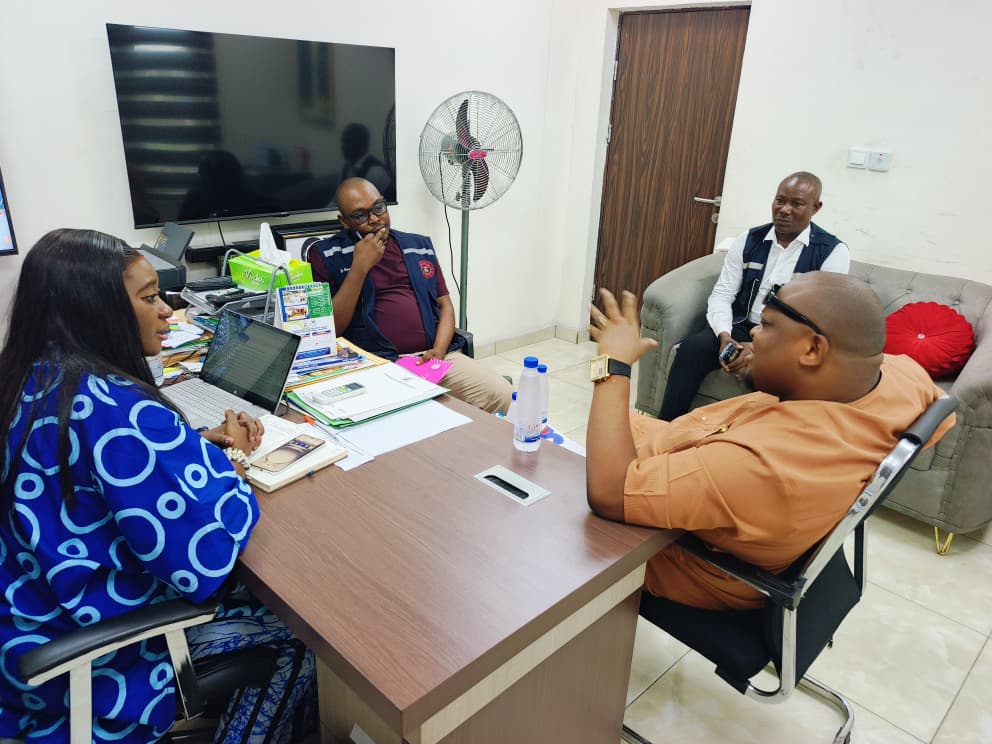
The two agencies stated this during a collaborative meeting held on Tuesday, September 22, 2026, at the office of the Executive Secretary of RIVCHPP.
The meeting focused on strengthening cooperation between the agencies and developing effective mechanisms to ensure that residents, including those requiring emergency medical attention, can access appropriate healthcare services promptly.
The agencies also discussed ways of supporting the Rivers State Government’s #Health4AllRivers vision through improved coordination, referrals and seamless access to healthcare facilities.
They commended the state government for its efforts to expand access to healthcare services across Rivers State and encouraged residents to take advantage of available healthcare programmes.
RIVCHPP provides a social health insurance framework aimed at protecting residents from financial hardship arising from healthcare costs, while facilitating access to quality and affordable medical services.
Also Read: MOGCI, AWLA Seek Stronger Action on Sexual Reproductive Health Challenges
REMSAS, on the other hand, provides emergency medical response and ambulance services to people requiring urgent medical attention.
The agencies said their complementary roles were essential to building a responsive, accessible and people-centred healthcare system in which residents could receive timely medical attention while being protected from financial hardship.
Speaking with journalists after the meeting, RIVCHPP Executive Secretary, Dr. Vetty Agala, said effective collaboration between the two agencies would strengthen emergency response, referral pathways and continuity of care.
Agala said the collaboration would help ensure that enrolled residents requiring emergency services were appropriately attended to and connected to relevant healthcare facilities for further treatment, in line with applicable service arrangements and coverage provisions.
She emphasised the importance of coordination between healthcare institutions in ensuring that residents receive timely and appropriate care, particularly during emergencies.